
آموزش جملات شرطی نوع اول (First Conditional) در انگلیسی
جملات شرطی یکی از بخشهای مهم گرامر زبان انگلیسی هستند و در مکالمات روزمره و نوشتاری کاربرد فراوان دارند. شرطیها به ما کمک میکنند تا درباره نتایج احتمالی یک اتفاق صحبت کنیم.
جملات شرطی نوع اول (First Conditional) برای بیان شرایط واقعی یا محتمل در آینده استفاده میشوند. به عبارت دیگر، وقتی چیزی احتمال دارد اتفاق بیفتد، از این نوع شرطی استفاده میکنیم.
مثال کوتاه:
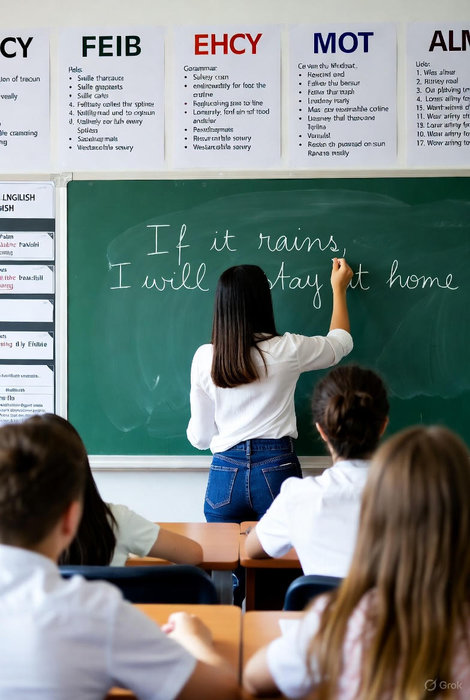
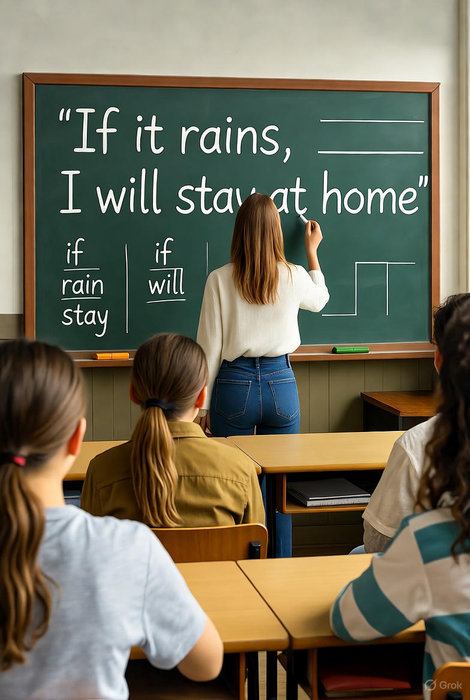
If it rains tomorrow, I will stay at home.
اگر فردا باران ببارد، در خانه میمانم.
ساختار جملات شرطی نوع اول
جملات شرطی نوع اول از دو بخش اصلی تشکیل شدهاند:
- Clause شرطی (If-clause)
- Clause اصلی (Main clause)
فرمول کلی:
| بخش جمله | ساختار | مثال |
|---|---|---|
| If-clause | If + Present Simple | If it rains |
| Main clause | will + Base Verb | I will stay at home |
توضیح:
- در جمله شرطی نوع اول، قسمت شرطی با زمان حال ساده (Present Simple) و قسمت نتیجه با آینده ساده (will) ساخته میشود.
- این نوع شرطی بیانگر احتمال واقعی وقوع یک رویداد در آینده است.
مثالهای متداول
| جمله شرطی نوع اول | ترجمه فارسی |
|---|---|
| If I study hard, I will pass the exam. | اگر سخت درس بخوانم، امتحان را قبول میشوم. |
| If she comes early, we will start the meeting. | اگر او زود بیاید، جلسه را شروع میکنیم. |
| If it rains, they will cancel the picnic. | اگر باران ببارد، پیکنیک را لغو میکنند. |
| If you eat too much, you will feel sick. | اگر زیاد غذا بخوری، احساس بیماری خواهی کرد. |
نکات مهم در استفاده از شرطی نوع اول
- احتمال وقوع:
جملات شرطی نوع اول برای شرایط واقعی یا احتمال بالا در آینده به کار میروند.- درست: If I see her, I will tell her the news.
- غلط: If I saw her, I will tell her the news.
- جایگاه if-clause:
بخش شرطی میتواند اول یا دوم جمله باشد:- If-clause اول: If it rains, we will stay inside.
- If-clause دوم: We will stay inside if it rains.
- استفاده از will در if-clause اشتباه است:
- غلط: If it will rain, we will stay inside.
- درست: If it rains, we will stay inside.
- استفاده از دیگر افعال کمکی:
به جای will میتوان از افعال دیگر برای بیان پیشنهاد، دستور یا امکان استفاده کرد:- can: If you try, you can succeed.
- may: If you hurry, you may catch the bus.
جملات شرطی با افعال دستوری و احساسی
جملات شرطی نوع اول تنها محدود به آینده ساده نیستند و میتوانند حالتهای احساسی، دستوری یا توصیهای داشته باشند.
| فعل کمکی | مثال شرطی | ترجمه فارسی |
|---|---|---|
| should | If you should need help, call me. | اگر نیاز به کمک داشته باشی، با من تماس بگیر. |
| must | If you must leave early, inform the teacher. | اگر باید زود بروی، به معلم خبر بده. |
| might | If it might rain, take an umbrella. | اگر احتمال باران وجود دارد، چتر ببر. |
زمانهای جایگزین و ترکیبی
استفاده از حال استمراری
میتوان در قسمت شرطی از حال استمراری (Present Continuous) برای بیان کارهای در جریان استفاده کرد:
- If she is studying, she will pass the exam.
اگر او در حال درس خواندن باشد، امتحان را قبول میشود.
استفاده از حال کامل
برای بیان اتفاقاتی که قبل از زمان حال شروع شدهاند و هنوز تاثیر دارند:
- If you have finished your homework, you can watch TV.
اگر تکالیف خود را تمام کرده باشی، میتوانی تلویزیون تماشا کنی.
جملات منفی در شرطی نوع اول
برای منفی کردن جملات شرطی نوع اول، کافی است از not در قسمت شرطی یا نتیجه استفاده کنیم:
| جمله شرطی منفی | ترجمه فارسی |
|---|---|
| If it does not rain, we will go to the park. | اگر باران نبارد، به پارک میرویم. |
| If she does not study, she will fail the test. | اگر درس نخواند، امتحان را قبول نمیشود. |
| If you do not hurry, you will miss the train. | اگر عجله نکنی، قطار را از دست میدهی. |
تمرینهای عملی
تمرین ۱: کامل کردن جملات
- If it ___ (rain) tomorrow, we ___ (stay) at home.
- If she ___ (study) hard, she ___ (pass) the exam.
- If I ___ (see) him, I ___ (tell) him the news.
پاسخ تمرین ۱
- rains / will stay
- studies / will pass
- see / will tell
تمرین ۲: تبدیل جملات به شرطی نوع اول
- You are late → You miss the bus.
- She doesn’t eat breakfast → She feels tired.
- It rains → The game is cancelled.
پاسخ تمرین ۲
- If you are late, you will miss the bus.
- If she doesn’t eat breakfast, she will feel tired.
- If it rains, the game will be cancelled.
تمرین ۳: جملات منفی
- You don’t water the plants → They die.
- He doesn’t call me → I worry.
پاسخ تمرین ۳
- If you don’t water the plants, they will die.
- If he doesn’t call me, I will worry.
نکات کلیدی برای یادگیری سریع
- جملات شرطی نوع اول همیشه درباره آینده احتمالی هستند.
- همیشه قسمت شرطی با زمان حال ساده ساخته میشود.
- جایگاه if-clause میتواند اول یا دوم جمله باشد.
- افعال کمکی دیگری مثل can, may, should هم میتوانند در main clause استفاده شوند.
- تمرین مداوم با جملات واقعی و زندگی روزمره باعث تثبیت یادگیری میشود.
جدول مقایسه انواع شرطیها
برای درک بهتر، مقایسهای از سه نوع شرطی پرکاربرد در انگلیسی:
| نوع شرطی | زمان شرطی | زمان نتیجه | مثال |
|---|---|---|---|
| نوع اول | حال ساده | آینده ساده | If it rains, I will stay at home. |
| نوع دوم | گذشته ساده | would + فعل | If I won the lottery, I would travel. |
| نوع سوم | گذشته کامل | would have + p.p | If I had studied, I would have passed. |
جملات شرطی نوع اول یکی از مهمترین ابزارهای گرامری برای بیان شرایط واقعی و محتمل در آینده هستند.
با تمرین مداوم و استفاده از مثالهای روزمره، میتوان مهارت خود را در مکالمات و نوشتار انگلیسی تقویت کرد.
تمرینهای عملی و پاسخ جملات شرطی نوع اول
۱. تمرین پرکردنی (Fill in the blanks)
در این تمرین، شما باید فعل صحیح را در If-clause و Main clause قرار دهید.
تمرینها:
- If it ___ (rain) tomorrow, we ___ (stay) at home.
- If she ___ (study) hard, she ___ (pass) the exam.
- If I ___ (see) him, I ___ (tell) him the news.
- If you ___ (not / hurry), you ___ (miss) the bus.
- If they ___ (invite) us, we ___ (attend) the party.
- If he ___ (eat) too much, he ___ (feel) sick.
- If you ___ (practice) every day, you ___ (improve) your English.
پاسخها:
- rains / will stay
- studies / will pass
- see / will tell
- don’t hurry / will miss
- invite / will attend
- eats / will feel
- practice / will improve
۲. تمرین تبدیل جملات (Rewrite the sentences)
در این تمرین، جملات زیر را به شکل جمله شرطی نوع اول تبدیل کنید.
تمرینها:
- You are late. You miss the train.
- She doesn’t study. She fails the test.
- It rains. We cancel the picnic.
- They call me. I tell them the news.
- You eat too fast. You feel sick.
پاسخها:
- If you are late, you will miss the train.
- If she doesn’t study, she will fail the test.
- If it rains, we will cancel the picnic.
- If they call me, I will tell them the news.
- If you eat too fast, you will feel sick.
۳. تمرین جملات منفی
تمرین بعدی بر جملات منفی شرطی نوع اول تمرکز دارد.
تمرینها:
- You don’t water the plants → They die.
- He doesn’t call me → I worry.
- She doesn’t wear a coat → She catches a cold.
- We don’t leave early → We miss the flight.
پاسخها:
- If you don’t water the plants, they will die.
- If he doesn’t call me, I will worry.
- If she doesn’t wear a coat, she will catch a cold.
- If we don’t leave early, we will miss the flight.
۴. تمرین انتخاب صحیح (Multiple Choice)
در این تمرین، جملهای که درست شرطی نوع اول است را انتخاب کنید.
سوالها:
- a) If it will rain tomorrow, we will stay at home.
b) If it rains tomorrow, we will stay at home. - a) If she study hard, she will pass the exam.
b) If she studies hard, she will pass the exam. - a) If I will see him, I tell him the news.
b) If I see him, I will tell him the news.
پاسخها:
- b
- b
- b
۵. تمرین ساخت جمله با تصاویر (Image-based Practice)
برای تثبیت یادگیری، میتوان از تصاویر ساده استفاده کرد. مثال:
- تصویر یک مرد در حال دویدن برای گرفتن اتوبوس.
جمله شرطی: If he doesn’t run, he will miss the bus. - تصویر دانشآموزی در حال مطالعه در کتابخانه.
جمله شرطی: If she studies hard, she will pass the exam. - تصویر یک باغچه خشک.
جمله شرطی: If you don’t water the plants, they will die.
۶. تمرین خلاقانه (Make Your Own Sentences)
حالا خودتان جملات شرطی نوع اول بسازید. ایدهها:
- درباره آب و هوا:
- If it ___, we ___
- درباره مدرسه یا کار:
- If I ___, I ___
- درباره سلامتی:
- If you ___, you ___
- درباره سفر و تفریح:
- If we ___, we ___
راهنمایی:
- قسمت اول (If-clause) باید با زمان حال ساده باشد.
- قسمت دوم (Main clause) با will + فعل ساده ساخته شود.
۷. نکات مرور تمرینی
- همیشه زمان حال ساده در قسمت شرطی.
- هیچگاه از will در If-clause استفاده نکنید.
- جایگاه If-clause میتواند اول یا دوم جمله باشد.
- برای تمرین بیشتر، جملات روزمره خود را به شرطی نوع اول تبدیل کنید.
- برای یادگیری بهتر، از تصاویر و موقعیتهای واقعی استفاده کنید تا ذهن شما ارتباط بین شرط و نتیجه را سریعتر درک کند.
جمعبندی
- بخش دوم مقاله کاملاً عملی بود و شما با تمرینهای پرکردنی، تبدیل جملات، جملات منفی و تمرین با تصاویر مهارت خود را تقویت کردید.
- تمرین مداوم باعث میشود بتوانید جملات شرطی نوع اول را به راحتی در مکالمه و نوشتار روزمره به کار ببرید.
- تمرین خلاقانه و استفاده از تصاویر به یادگیری بهتر و تثبیت مفاهیم کمک میکند.
در ادامه یک جدول جامع ۳۰ جملهای تمرینی با پاسخ برای جملات شرطی نوع اول آماده کردیم. این جدول به گونهای طراحی شده که همراه با پاسخهای کامل باشد و کاربر بتواند مرحله به مرحله تمرین کند.
جدول تمرین جملات شرطی نوع اول (First Conditional) – ۳۰ جمله
| شماره | جمله ناقص (تمرین) | پاسخ کامل |
|---|---|---|
| 1 | If it ___ (rain) tomorrow, we ___ (stay) at home. | If it rains tomorrow, we will stay at home. |
| 2 | If she ___ (study) hard, she ___ (pass) the exam. | If she studies hard, she will pass the exam. |
| 3 | If I ___ (see) him, I ___ (tell) him the news. | If I see him, I will tell him the news. |
| 4 | If you ___ (not / hurry), you ___ (miss) the bus. | If you don’t hurry, you will miss the bus. |
| 5 | If they ___ (invite) us, we ___ (attend) the party. | If they invite us, we will attend the party. |
| 6 | If he ___ (eat) too much, he ___ (feel) sick. | If he eats too much, he will feel sick. |
| 7 | If you ___ (practice) every day, you ___ (improve) your English. | If you practice every day, you will improve your English. |
| 8 | If the sun ___ (shine) tomorrow, we ___ (go) to the park. | If the sun shines tomorrow, we will go to the park. |
| 9 | If she ___ (wake up) late, she ___ (be) late for school. | If she wakes up late, she will be late for school. |
| 10 | If I ___ (find) your keys, I ___ (call) you. | If I find your keys, I will call you. |
| 11 | If you ___ (not / eat) breakfast, you ___ (feel) tired. | If you don’t eat breakfast, you will feel tired. |
| 12 | If he ___ (drive) carefully, he ___ (avoid) accidents. | If he drives carefully, he will avoid accidents. |
| 13 | If we ___ (leave) now, we ___ (arrive) on time. | If we leave now, we will arrive on time. |
| 14 | If she ___ (ask) politely, they ___ (help) her. | If she asks politely, they will help her. |
| 15 | If it ___ (snow) tonight, we ___ (build) a snowman. | If it snows tonight, we will build a snowman. |
| 16 | If I ___ (not / drink) water, I ___ (feel) thirsty. | If I don’t drink water, I will feel thirsty. |
| 17 | If you ___ (study) for the test, you ___ (get) a good grade. | If you study for the test, you will get a good grade. |
| 18 | If he ___ (call) me, I ___ (answer) the phone. | If he calls me, I will answer the phone. |
| 19 | If we ___ (not / hurry), we ___ (miss) the train. | If we don’t hurry, we will miss the train. |
| 20 | If they ___ (play) well, they ___ (win) the game. | If they play well, they will win the game. |
| 21 | If she ___ (finish) her homework, she ___ (watch) TV. | If she finishes her homework, she will watch TV. |
| 22 | If you ___ (not / take) an umbrella, you ___ (get) wet. | If you don’t take an umbrella, you will get wet. |
| 23 | If it ___ (be) sunny tomorrow, we ___ (have) a picnic. | If it is sunny tomorrow, we will have a picnic. |
| 24 | If I ___ (see) a good movie, I ___ (recommend) it to you. | If I see a good movie, I will recommend it to you. |
| 25 | If he ___ (eat) fast food every day, he ___ (gain) weight. | If he eats fast food every day, he will gain weight. |
| 26 | If you ___ (not / study), you ___ (fail) the exam. | If you don’t study, you will fail the exam. |
| 27 | If we ___ (go) to the beach, we ___ (swim) in the sea. | If we go to the beach, we will swim in the sea. |
| 28 | If she ___ (wear) warm clothes, she ___ (not / catch) a cold. | If she wears warm clothes, she will not catch a cold. |
| 29 | If I ___ (have) time, I ___ (visit) my grandparents. | If I have time, I will visit my grandparents. |
| 30 | If you ___ (tell) the truth, they ___ (trust) you. | If you tell the truth, they will trust you. |
این جدول تمرین و پاسخ را همزمان دارد، بنابراین کاربر میتواند ابتدا جمله ناقص را کامل کند و سپس پاسخ را بررسی کند.